
Guide
What are order SMS notifications and OTP verification?
SMS notifications send the customer a short message during the order process; OTP verification confirms the phone number with a one-time code. Together they raise trust and delivery success.
Short answer
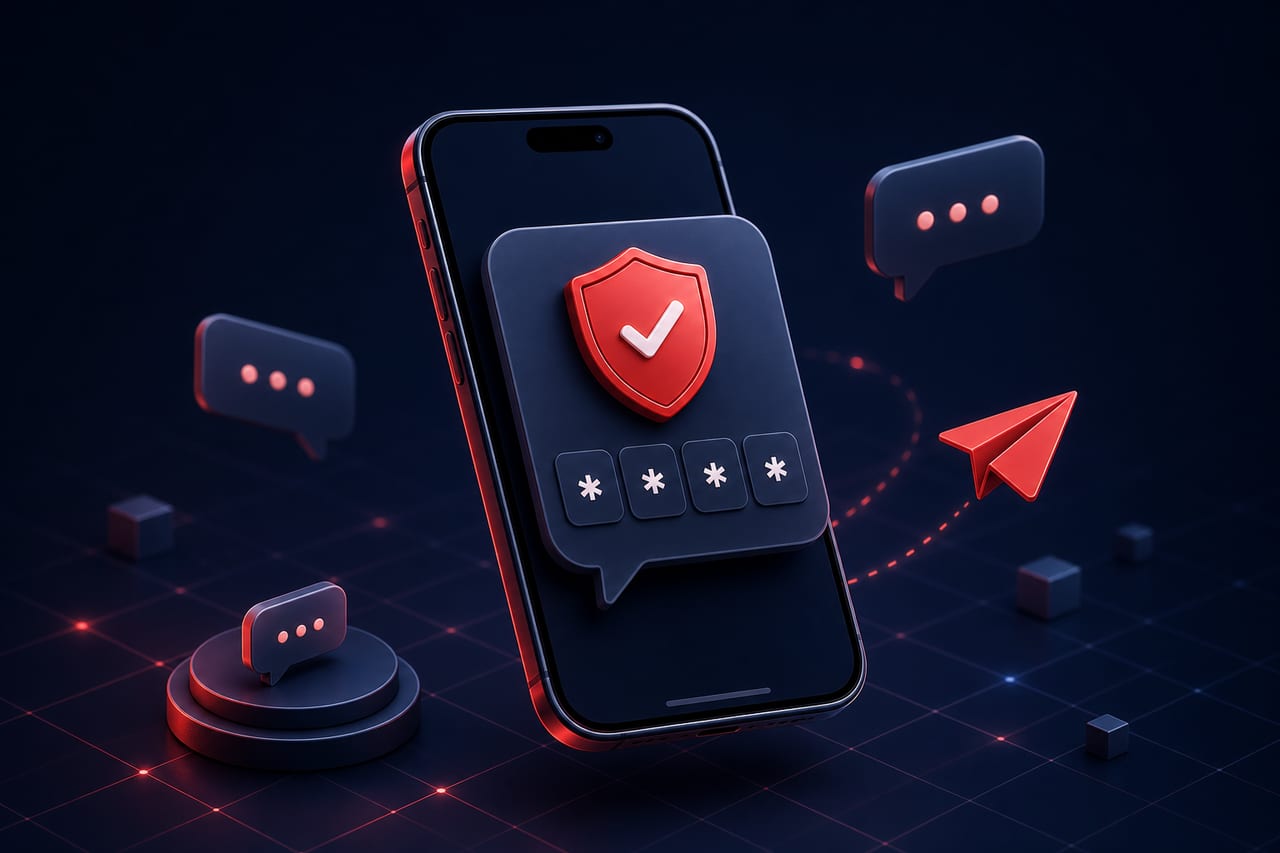
Order SMS notifications send the customer short messages about the order status; OTP verification confirms the phone number during ordering with a one-time password. Dijifis runs this with multiple providers (NetGSM, Twilio, Telnyx) and per-business (tenant) configuration; the code is single-use, valid for a short time and protected by attempt and rate limits.
Definition
An OTP (one-time password) is a numeric code sent to the customer's phone number that is valid only for a short time. By entering the code the customer proves the number is theirs, which reduces fake numbers and failed deliveries.
The system uses a multi-provider architecture: with NetGSM the code is generated and sent by the platform; with Twilio and Telnyx the provider's Verify service generates and validates the code. Each business defines its own provider and sender details; to prevent abuse, a cooldown, rate limits and an attempt limit are applied.
How does it work?
Phone verification typically proceeds through these steps:
- The customer enters their phone number during ordering.
- The system normalises the number and sends the one-time code by SMS via the selected provider.
- The code is valid for a short time; a short cooldown applies before a new code can be requested.
- The customer enters the code; the system verifies it. After a set number of wrong attempts the code becomes invalid.
- If verification succeeds the order proceeds; an order status notification SMS can also be sent.
Benefits
SMS and OTP raise both trust and delivery success.
Correct phone number
OTP confirms the number is real and reachable, reducing failed deliveries.
Fewer fake orders
The one-time code helps filter out automated and suspicious orders.
Provider flexibility
You choose the provider that suits your business among NetGSM, Twilio or Telnyx.
Abuse protection
Cooldown, rate limits and attempt limits prevent SMS bombing.
Best practices
To get the most from SMS and OTP:
- Define the sender name and message text in line with provider rules.
- Balance code length and validity time between user experience and security.
- Keep the cooldown and rate limits active to prevent abuse.
- For international numbers, choose a provider that supports the E.164 format.
- Monitor delivery rates and update provider configuration if needed.
Related guides and solutions
Frequently asked questions
- How long is the OTP code valid?
The code is valid for a short time (typically a few minutes). It becomes invalid when it expires or after a set number of wrong attempts, and a new code must be requested.
- Which SMS providers are supported?
NetGSM, Twilio and Telnyx are supported live. Each business configures its own provider and sender details.
- Can codes be sent to the same number back-to-back?
No. To prevent abuse a short cooldown and rate limits apply; a new code cannot be requested during that window.
- Is OTP mandatory?
OTP depends on the business configuration. When enabled, phone verification is requested before the order; when disabled, the verification step is skipped.
Summary
Order SMS notifications send the customer status messages; OTP verification confirms the phone number with a one-time code. Dijifis runs this securely with NetGSM, Twilio and Telnyx providers, per-business configuration and cooldown/rate/attempt limits; the result is more accurate delivery and fewer fake orders.
Get started
Contact us about an online ordering solution for your business and start taking orders on your own channel with Dijifis.